
The gaming industry has evolved significantly over the years, with advancements in technology allowing for increasingly sophisticated gameplay mechanics. Among these, the concepts of Random Number Generation (RNG) and fair play have become critical in ensuring a balanced and enjoyable experience for players. This report delves into the science behind these elements in the context of “Flight Legends,” a popular flight simulation game that incorporates these principles to enhance user experience.
Understanding RNG in Gaming
Random Number Generation is a core component of many video games, including Flight Legends. RNG is a method used to produce a sequence of numbers or symbols that cannot be reasonably predicted better than by random chance. This is crucial for creating unpredictable outcomes in gameplay, which can significantly enhance the gaming experience.
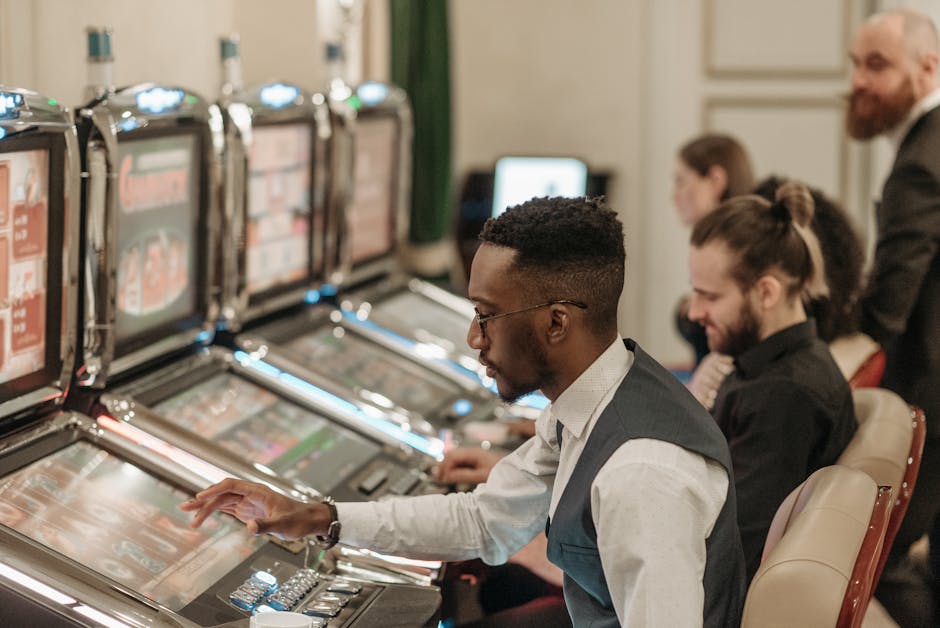
In Flight Legends, RNG is utilized to determine various elements, such as the spawning of aircraft, the occurrence of weather events, and the success rates of specific maneuvers. This unpredictability ensures that no two flights are ever the same, keeping players engaged and encouraging them to adapt their strategies in real-time.
Types of RNG
There are two primary types of RNG used in gaming: true RNG and pseudo-RNG.
- True RNG: This type generates randomness from a physical source, such as atmospheric noise or radioactive decay. True RNG is more complex and often used in high-stakes environments where unpredictability is paramount.
- Pseudo-RNG: Most video games, including Flight Legends, utilize pseudo-RNG, which relies on algorithms to produce sequences of numbers that approximate true randomness. While these sequences can be highly effective, they are ultimately deterministic and can be predicted if the algorithm and initial seed value are known.
Fair Play and Its Importance
Fair play refers to the principle of ensuring that all players have an equal opportunity to succeed, regardless of their skill level or experience. In Flight Legends, fair play is vital for maintaining a balanced environment where competition thrives and players feel valued.
Balancing RNG and Skill
One of the challenges in game design is balancing RNG with player skill. If RNG plays too significant a role, skilled players may feel that their abilities are overshadowed by luck. Conversely, if skill is the sole determinant of success, new players may become discouraged by their inability to compete.
To address this, Flight Legends employs a system where RNG influences certain aspects of the game, but player skill remains a critical factor in overall performance. For instance, while weather conditions may change randomly, a player’s ability to adapt to these changes can still determine the outcome of a flight.
The Role of Algorithms in Fair Play
The algorithms that govern RNG in Flight Legends are designed with fairness in mind. Developers implement safeguards to ensure that RNG outcomes do not favor any particular player or group of players. This is achieved through various methods, including:
- Seed Randomization: Each game session begins with a unique seed value, ensuring that the RNG outcomes are different for every player and session. This prevents players from exploiting predictable patterns.
- Weighted Outcomes: Developers can adjust the probability of certain outcomes to ensure a level playing field. For example, while a rare aircraft may have a lower spawn rate, the chances of encountering it can be adjusted based on the player’s skill level or experience.
- Feedback Loops: Incorporating player feedback into the RNG algorithms helps developers fine-tune the balance between luck and skill. By analyzing gameplay data, developers can identify instances where RNG may be disproportionately affecting outcomes and make necessary adjustments.
The Psychological Impact of RNG
The use of RNG in games like Flight Legends also has significant psychological implications for players. The element of chance can create a sense of excitement and anticipation, as players never know what to expect. This unpredictability can enhance player engagement and encourage repeated play.
However, it’s essential to manage the psychological effects of RNG to prevent frustration. If players perceive that outcomes are unfairly determined by luck, it can lead to dissatisfaction. Therefore, Flight Legends employs transparent RNG mechanics, allowing players to understand how randomness affects their gameplay.
Community and Fair Play
The community surrounding Flight Legends plays a crucial role in promoting fair play. Developers encourage players to report any perceived imbalances or issues related to RNG, fostering an environment where players feel empowered to voice their concerns. This feedback loop not only helps improve the game but also cultivates a sense of community and shared responsibility among players.
Conclusion
The integration of RNG and fair play in Flight Legends exemplifies the delicate balance required in modern game design. By leveraging RNG to create unpredictable and engaging gameplay while implementing measures to ensure fairness, developers can create a rich gaming experience that appeals to a diverse audience. As technology continues to advance, the principles of RNG and fair play will remain central to the evolution of gaming, ensuring that players enjoy a balanced and exciting experience in Flight Legends and beyond. The ongoing dialogue between developers and the gaming community will be vital in navigating these complexities, paving the way for future innovations in the industry.